

How to Verify Product Durability Online Before You Buy
Last Updated: November 12, 2026
Quick Summary
To verify product durability online, read the evidence behind the label: find the material spec, look for a named test method, confirm any certification mark with the issuing body, and check reviews for long-term use. Run this free seven-step workflow before you buy, because the word durable has no legal definition on a product listing.
- A proper testing method has four parts: a test goal, method, log, and results.
- Abrasion testing rubs a material a set number of cycles, then checks for damage.
- Warranty length is the brand's own estimate of how long the product should last.
- Sort reviews by lowest rating first to find early failures and repeated complaints.
- Five or more unchecked boxes on the durability checklist means the claim is thin.
Table of Contents
- Why Product Durability Claims Need Checking Before You Buy
- Durability Testing Methods You Can Spot in Product Listings
- A Durability Test Example: Reading a Real Test Report
- Textile Testing: What It Reveals About Bags and Accessories
- How to Verify Product Durability Online Free: A Step-by-Step Workflow
- Checking Certification Marks, Warranty, and Replacement Parts
- Judging Customer Reviews and Long-Term Ownership Evidence
- Shop Elite Style Collective With Durability Confidence
- Frequently Asked Questions
Why Product Durability Claims Need Checking Before You Buy
A product page can call a bag "heavy duty" or a bed "indestructible" without proving anything.
At Elite Style Collective, we would rather you check than assume.
Most shoppers skip this step. Then a strap tears at month four, or a pet bed flattens after two washes.
Below, we show you exactly how to read test claims, spot real certifications, and judge reviews that mention long-term use.
Durability Testing Methods You Can Spot in Product Listings
Durability testing is any structured test that simulates use and records the result. Good listings name the method. Weak listings only name the benefit. Here is how to tell them apart.
A proper testing method has four parts: a test goal, a test method, a test log, and test results. If a brand mentions "tested for durability" but skips all four, treat the claim as marketing.
Wear, Abrasion, and Rub Tests
Abrasion testing rubs a material against a standard surface a set number of times, then checks for damage. Look for phrases like "rub test," "wear resistance," or "abrasion cycles." A listing that says "50,000 rub cycles with no visible wear" tells you something. A listing that says "extra durable fabric" tells you nothing.
Wash Tests and Cleaning Method Checks
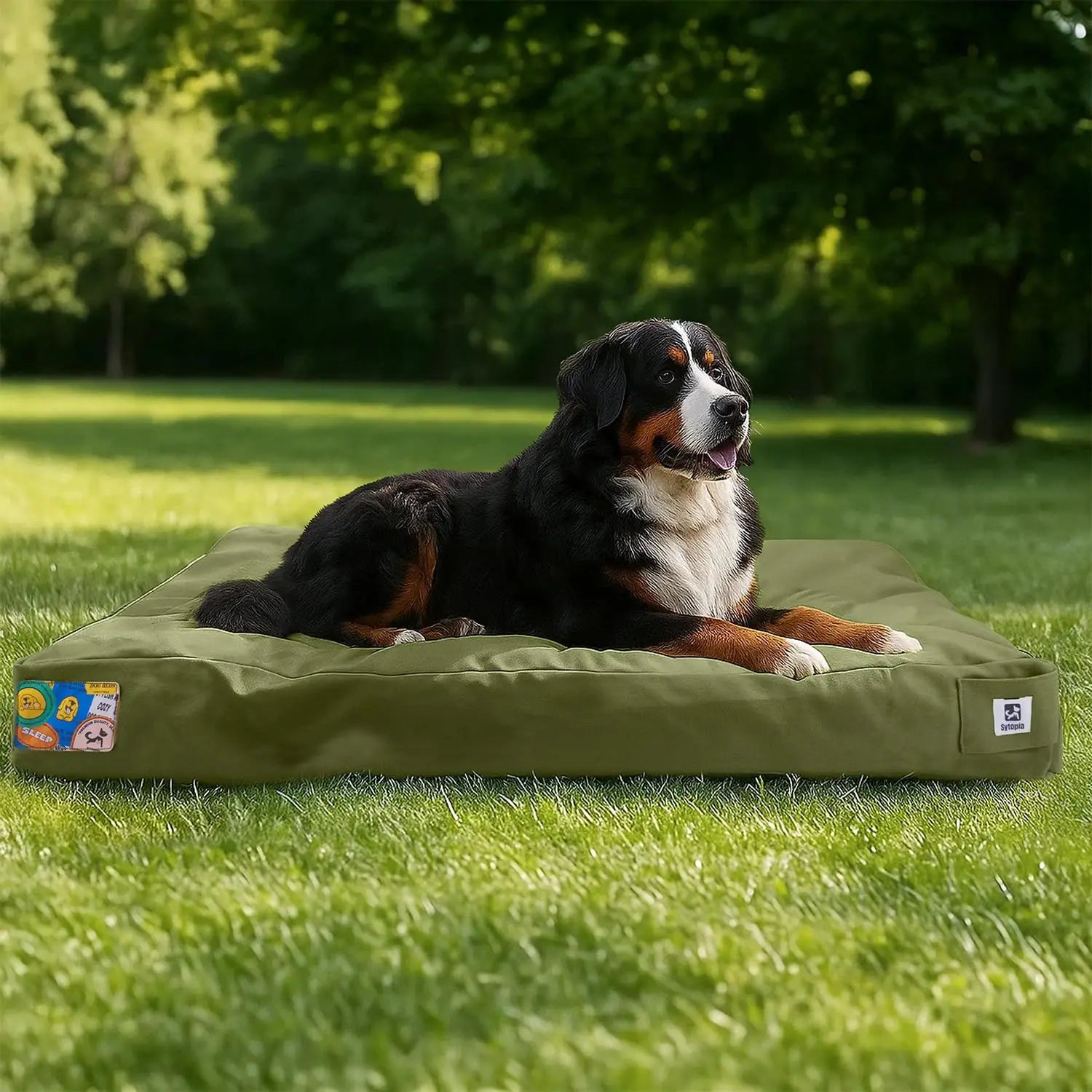
Wash testing checks whether a product survives cleaning without shrinking, fading, or losing shape. This matters most for textiles and pet products. Check the cleaning method section closely. Our Indestructible Waterproof Canvas Dog Bed is a good example: the listing states a hand-washable cover with gentle machine washing also suitable, so you know exactly what care it needs before you buy.
A Durability Test Example: Reading a Real Test Report
A durability test example helps more than a definition. Say a canvas bag listing claims "high-density 420gsm canvas." That number is a real spec: 420 grams per square metre.
Now read the rest of the claim. Does the listing say what the fabric was tested against? Does it name a standard? Does it describe the result?
Three questions to ask of any test report:
- What was tested, the whole product or one material?
- What conditions were used, and do they match how you will use it?
- What was the pass or fail threshold?
If a listing answers all three, the durability claim has evidence behind it. If it answers none, you are reading a slogan.
Textile Testing: What It Reveals About Bags and Accessories
Textile testing measures how fabric behaves under stress, moisture, and repeated handling.
What most guides miss is that fabric weight and weave matter more than the finish. A waterproof coating can wear off.
Travel gear is where this pays off. A large-capacity canvas tote shows the kind of listing detail worth checking: capacity, material, and construction all stated plainly.
Watch out: a "water-resistant" label often means the coating resists light rain, not a soaked bag in a downpour.
How to Verify Product Durability Online Free: A Step-by-Step Workflow
You can verify product durability without paying for a testing service. The workflow below uses only free information: the listing, the certification marks, and the reviews.

Follow these steps in order.
- Save the listing. Screenshot or bookmark the spec section before it changes.
- Find the material spec. Look for weight, weave, thickness, or grade. No spec means no evidence.
- Search the page for test terms. Try "tested," "cycles," "standard," "abrasion," and "wash."
- Check the certification marks. Note the exact name and number, then confirm it on the issuing body's site.
- Read the warranty and parts section. A brand that sells replacement parts expects the product to last.
- Sort reviews by lowest rating first. Long-term complaints cluster there.
- Search reviews for time words. "Six months," "a year," and "still going" tell you more than star ratings.
Your Pre-Purchase Durability Checklist
Run this list before you check out:
- Material or fabric spec is stated with a number
- At least one named test method appears on the page
- A certification mark is named and checkable
Two or three unchecked boxes is normal. Five or more means the durability claim is thin.
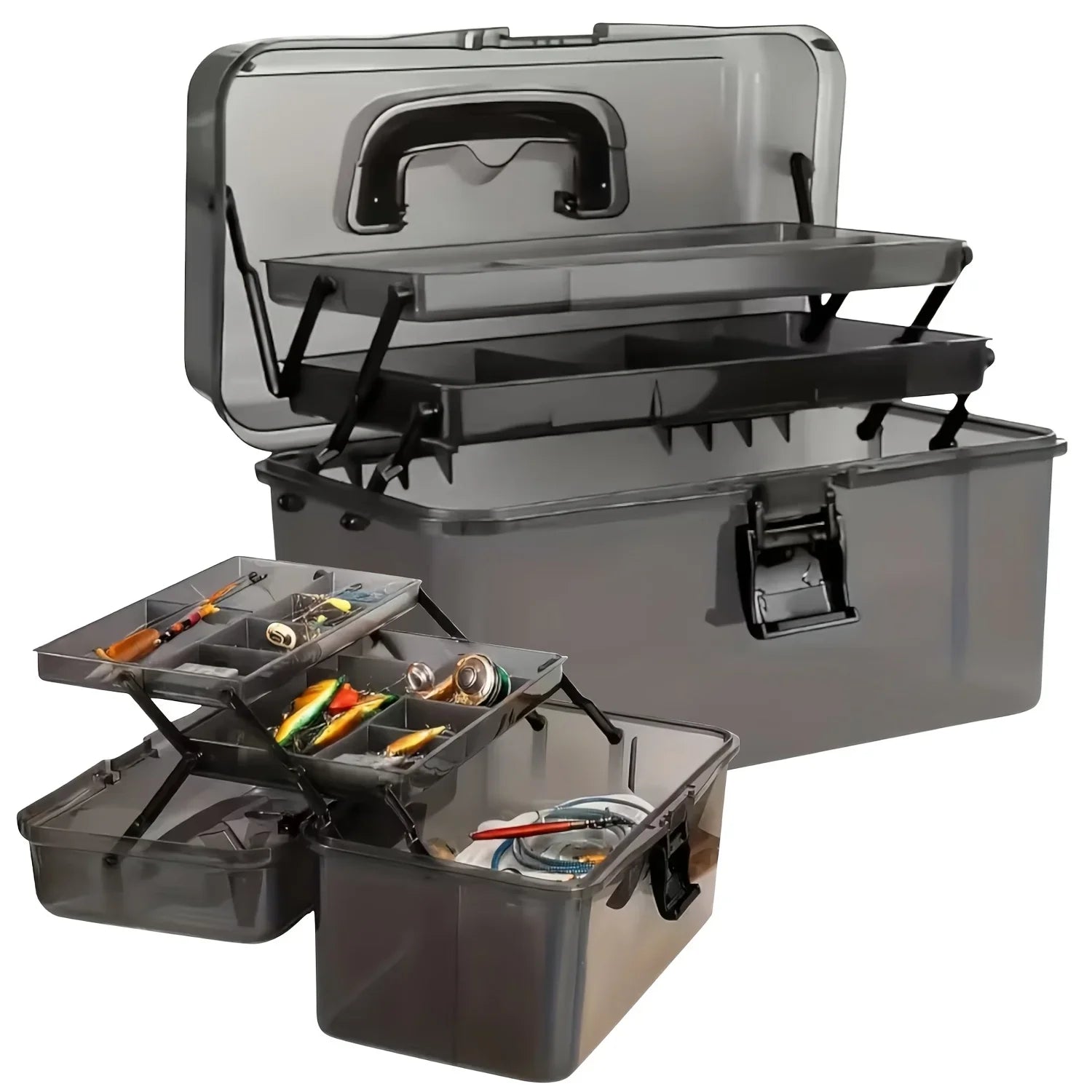
You can practice this workflow on a real listing like this heavy-duty gear box, where construction and lock details are stated up front. Run the checklist against it and see how many boxes you can tick.
Run these seven steps in order to check a durability claim using only free information.
| Step | What to do |
|---|---|
| 1 | Save the listing by screenshot or bookmark |
| 2 | Find the material spec: weight, weave, thickness, grade |
| 3 | Search the page for test terms like cycles and abrasion |
| 4 | Note the certification mark and confirm it with the issuer |
| 5 | Read the warranty and replacement parts section |
| 6 | Sort reviews by lowest rating first |
| 7 | Search reviews for time words like months and year |
Checking Certification Marks, Warranty, and Replacement Parts
A certification mark is only as good as your ability to trace it. Most shoppers see a logo, assume it means something, and move on. The useful habit is to treat every mark as a claim that needs a source.
How to validate a certification mark in three steps
- Capture the exact name and number. Copy the mark's full name, any registration or license number printed beside it, and the product or model it applies to. A mark without a number is hard to verify and easy to fake.
- Search the issuing body's own directory. Go to the organization's official site and use its certificate or licensee lookup. Do not search the mark's name plus "review", go to the source. If the body publishes a searchable directory, confirm the product, the manufacturer, and the certificate's status (active, expired, suspended).
- Confirm the scope. A certificate usually covers a specific facility, product line, or test standard, not everything the brand sells. Check that the certificate's scope actually includes the item you are buying, not just the brand name.
A common pattern is a mark that is real but narrow: the certificate covers one material or one production line, while the listing implies the whole product passed. Reading the scope closes that gap.
Independent verification versus seller claims
A seller's own "quality tested" badge is not independent verification. Independent marks come from third-party bodies that test or audit without a commercial stake in the sale.
Watch out: some listings display a standard's number (for example, a test-method code) as if it were a certification. A standard describes how a test is run; a certificate shows a specific product passed it.
Warranty terms that actually signal lifespan
Warranty length is the brand's own estimate of how long the product should last. Read three things before you weigh the number of years:
- What is covered. Materials and workmanship coverage is standard; coverage for wear items (straps, soles, covers, batteries) is the real signal.
- Exclusions. A warranty that excludes "normal wear" can exclude most real-world failures. Read the exclusion list, not just the headline term.
- Claim process. A warranty that requires original packaging, receipts, and shipping at your cost is harder to use than one with a simple claim path.
Repairability and replacement parts
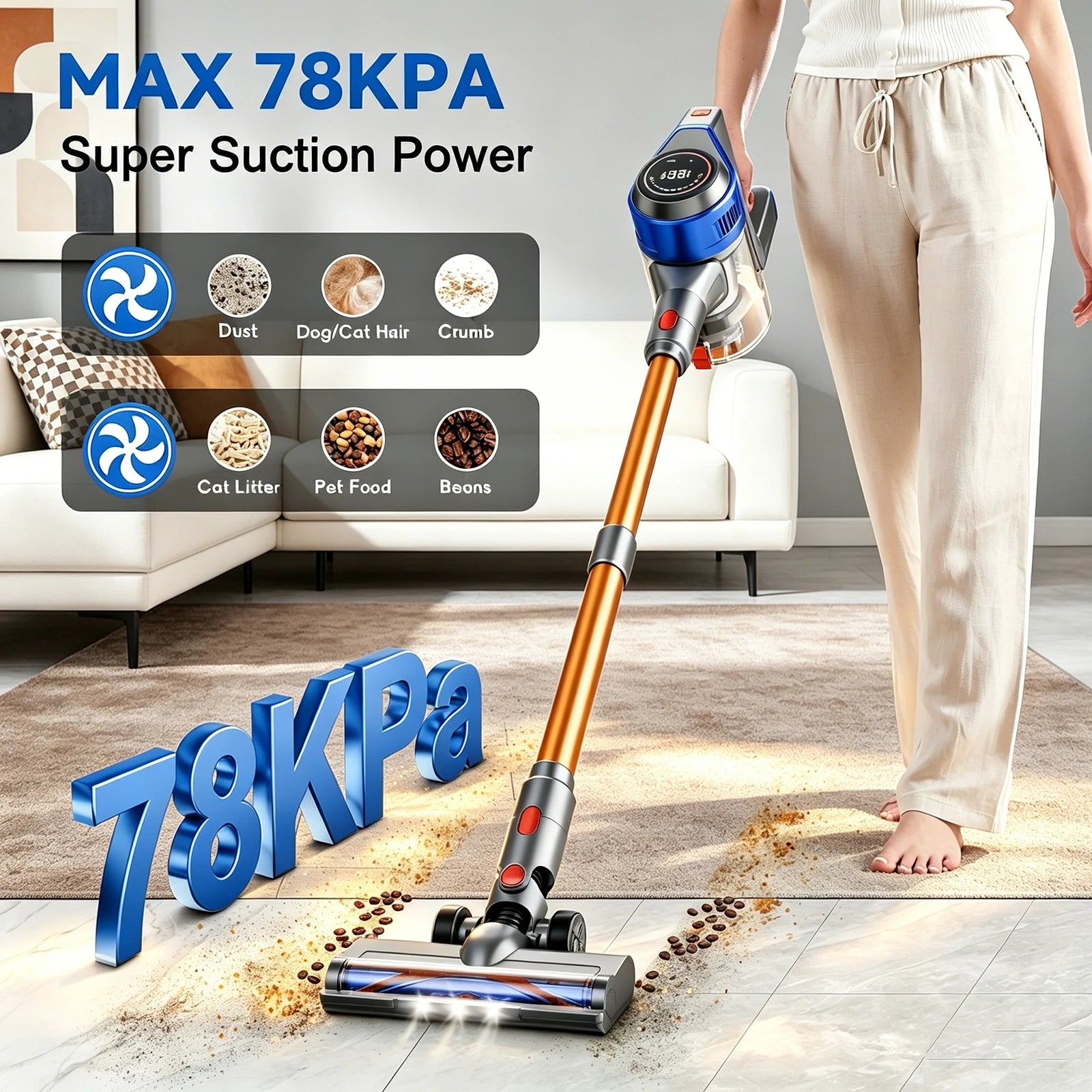
A brand that stocks replacement covers, straps, batteries, or filters expects the product to stay in use. A cordless vacuum listing lets you practice checking specs, warranty, and replacement-part availability on a real product page. Check the support or parts section of the listing: if individual components are sold separately, the product has a longer practical life than a sealed unit with no service path.
If any of the three is missing, the durability claim is thinner than it looks.
Judging Customer Reviews and Long-Term Ownership Evidence
Reviews are the closest thing to free real-world testing, but most review sections reward recency and enthusiasm, not durability. The skill is filtering for ownership length and failure patterns.
A repeatable review-reading method
- Sort by lowest rating first. Early failures and repeated complaints cluster in one- and two-star reviews. Read for patterns, not isolated anger.
- Search the review text for time markers. Use the page's search or your browser's find function for phrases like "months," "year," "still," "after," and "update." Reviews that state a duration are more useful than star ratings alone.
- Look for named failure points. "The zipper pull snapped at month five" is evidence. "Broke" is noise. Count how many reviewers name the same component.
- Check for updates. Some reviewers return months later to report how the product held up. Those updates are the closest thing to long-term data on the page.
- Separate satisfaction from durability. A five-star review written on delivery day measures packaging and first impressions, not lifespan. Weight reviews that describe use over time more heavily.
Signals of trustworthy long-term evidence
- Specific durations or dates of ownership
- Named components and how they failed
- Photos showing wear, not just the unboxed product
Category-specific review cues
Durability evidence looks different by product type, so read reviews with the category in mind:
- Electronics and appliances: look for battery degradation over time, port or hinge failures, and whether replacement parts were available.
- Clothing and bags: look for seam and strap failures, fading after washing, and whether the item kept its shape.
- Furniture: look for joint looseness, finish wear, and whether the item stayed stable after assembly and moves.
Seller history and authenticity
A marketplace listing with no seller history gives you little to judge. A store that answers material and sourcing questions in public gives you a paper trail.
Watch out: a cluster of five-star reviews posted within a short window, with no duration of ownership, is weak durability evidence even if the average rating is high. Recency and volume are not the same as longevity.
Shop Elite Style Collective With Durability Confidence
Durability claims reward a ten-minute check. Read the spec, find the test method, confirm the mark, and scan the long-term reviews.
Elite Style Collective offers a curated range of lifestyle products for everyday life and travel. Our customer service team is fast, friendly, and ready to help.
Get started with Elite Style Collective and shop with the checklist in hand, so every purchase earns its place in your routine.
Frequently Asked Questions
How can you verify a product's durability before buying it online?
Start with the listing itself: look for named materials and specifications, then check whether the seller publishes test results, certification marks, or a clear warranty. Search the product name plus 'test report' or 'review' to find owner feedback after months of use. Read the return policy last so you know your fallback. This sequence lets you verify product durability from published evidence rather than marketing language, and it takes about ten minutes per product.
Can you verify a product's durability for free?
Yes. Free verification relies on public sources: manufacturer spec sheets, certification body databases, retailer return policies, and long-term customer reviews. You can also check whether a durability claim names a specific test method, such as a rub test cycle count, because vague claims are harder to confirm. Paid lab testing is only worth it for high-value purchases. For most everyday items, free online checks plus a careful review reading give you enough evidence to decide.
How can customer reviews help you assess product durability?
Reviews help most when they describe use over time. Look for phrases like 'six months in' or 'after a full season' and for photos showing wear at seams, handles, or corners. Sort by lowest rating first to see failure patterns, then check whether the same fault appears repeatedly. A single complaint is noise; five reviews naming the same weak point is evidence. Ignore reviews posted within days of delivery, since they cannot speak to durability.
How can you tell whether a durability certification is legitimate?
A real certification names the standard, the testing body, and often a certificate number you can look up in the body's public database. Check that the certificate covers the exact product and model, not just the brand's factory. Claims with no standard name, no issuing organization, or a logo with no lookup option are marketing decoration. If a seller cannot tell you which standard was tested and who tested it, treat the durability claim as unverified.
