

How to Compare Lifestyle Product Features Step by Step
Quick Summary
To compare lifestyle product features, first write down your own ranked criteria, such as who uses the product, where it lives, and what a bad outcome looks like. Then check each product's stated details against those criteria in a comparison matrix. Focus on facts you can verify rather than marketing claims, and mark anything unstated as unknown.
- Rank three to five criteria based on how you will actually use the product.
- Treat marketing words like premium or durable as decoration, not evidence.
- Confirm measured dimensions such as plate diameter against something you own.
- Use a comparison matrix with three to five products and factual cell entries.
- Estimate total cost by dividing upfront price by expected years of ownership, plus replacement costs.
Table of Contents
- Why Feature Comparison Matters Before You Buy
- Start With Your Own Criteria, Not the Spec Sheet
- How to Verify Product Specifications Yourself
- Building a Product Comparison Matrix
- Judging Value for Money Over the Long Term
- Putting It Into Practice: Comparing Dinnerware Sets From Our Range
- Choosing Your Set and Getting in Touch With Our Team
- Frequently Asked Questions
Why Feature Comparison Matters Before You Buy
Last Updated: November 21, 2026
Shoppers often ask the same thing: how do you know which lifestyle product is worth the money?
Without a method, it's easy to fall for a nice finish or a bold design. A product can look premium and still fail the first time it meets your daily routine.
A few things make comparison worth the effort:
- It exposes real differences. Two dinnerware sets can look identical online but differ in piece count, size and care instructions.
- It keeps you within budget. Seeing prices next to features shows whether a higher price brings anything useful.
- It reduces regret. Most returns and disappointments come from a mismatch between expectation and use.
Think of this guide as your checklist. We'll walk through each step, then apply it to a real set of dinnerware from our range.
Start With Your Own Criteria, Not the Spec Sheet
Spec sheets list what a manufacturer chose to highlight. They rarely tell you what matters to your household. Start by writing down how you will actually use the product.
Ask yourself a few direct questions:
- Who uses it, and how often? A set for a family of six needs more pieces than one for two.
- Where will it live? Dishwasher safety matters if you wash by hand rarely.
- What does a bad outcome look like? A chipped plate, a dull blade or a bag that won't close after a few trips.
Once you have three to five answers, rank them. That ranking becomes the lens for every product you review. A spec that matters most to you gets the most weight; a spec you don't care about gets ignored, even if it sounds impressive.
The product with the most features is often not the one that fits.
How to Verify Product Specifications Yourself
Specifications are a starting point, not a guarantee. The goal of verification is to separate what the seller has actually stated from what you have assumed, and then to judge how much weight each claim deserves. A claim is only as strong as the source behind it, so verify in order of evidence quality rather than in the order the listing presents information.
Rank your evidence before you trust it
Not all product information carries the same weight. A useful hierarchy, from strongest to weakest:
- Independent testing and standards marks. Food-contact safety notes, dishwasher and microwave suitability confirmed by a recognized testing body, or a warranty document that names what is covered. These are stated commitments the seller can be held to.
- Measured dimensions and weights. A listed plate diameter, capacity in millilitres, or item weight in grams is checkable. Confirm it against something you own.
- Material and construction descriptions. Porcelain, stoneware, ceramic, tempered glass and bone china differ in weight, chip resistance and heat tolerance. The material name tells you which failure mode to expect.
- Care instructions. Hand-wash-only versus dishwasher-safe is a routine fact, not a marketing line. It changes your weekly effort and the product's lifespan.
- Marketing language. Words like "premium," "durable" and "luxury" carry no verifiable meaning. Treat them as decoration, not evidence.
A verification routine that fits a lifestyle purchase
Work through these steps for any shortlisted product:
- Read the full listing, not the headline. Check piece counts, what is included in the package, and whether the stated price covers the full set or a single item.
- Confirm dimensions against something you own. Lay a ruler across the listed diameter, or hold a plate from your cupboard against the stated size. A 10.5-inch dinner plate and an 8-inch salad plate look similar in photos and behave very differently on a table for six.
- Check material and care claims together. A stoneware set that is dishwasher-safe but heavy may suit a family that washes daily; a delicate porcelain set that is hand-wash-only may suit occasional hosting. The claim only matters in the context of your routine.
Reading reviews and measurements without being misled
Reviews are useful evidence, but only when you read them for pattern rather than for stars. Detailed reviews describing how a product held up over time can tell you more than a large number of brief positive ratings.
Only record what the listing or a credible source actually states. If a detail is not there, mark it as unknown rather than assuming the best, and carry that unknown into your comparison matrix as a question to resolve.
Building a Product Comparison Matrix
A comparison matrix turns your criteria into a clear grid. Rows list the products, columns list your criteria, and each cell holds a short, factual entry.

Here is how to build one:
- Pick three to five products you are genuinely considering. More than that makes the grid hard to read.
- Set columns from your ranked criteria, plus price and piece count.
- Fill each cell with a fact, not an impression. "Dishwasher safe" beats "good quality."
Keep the matrix short. A clean grid you can scan in a minute is more useful than a crowded one you abandon halfway.
Filling in a Product Comparison Table Example
Suppose you are weighing three dinnerware sets from our range. Your criteria are piece count for your household, dishwasher and microwave safety, and total price. A completed table might look like this:
| Product | Starting Price | Pieces Included | Dishwasher and Microwave | Best For |
|---|---|---|---|---|
| MALACASA 16/32 Piece Relief Stoneware Set | $157.99 | 16 or 32 | Both stated | Small households |
| MALACASA 24/48 Piece Ivory Porcelain Set | $269.99 | 24 or 48 | Both stated | Larger families and hosting |
| Vancasso Stern Square Ceramic Set for Four | $138.99 | 16 | Not stated in listing | Budget-minded couples |
Starting Price
Read the table row by row. The gaps tell you what to check. The Vancasso listing does not confirm microwave use, so you would ask before buying if that matters to you.
Judging Value for Money Over the Long Term
The cheapest option is not always the best value. Value depends on how long the product lasts, how well it fits daily life, and what it costs you in time and replacement over the years you own it. This is the part of comparison most shoppers skip, and it is where the biggest differences between lifestyle products actually show up.
Build a simple total-cost-of-ownership estimate
You do not need a spreadsheet, but you do need to think in years rather than in checkout totals. A practical estimate combines four numbers:
- Upfront price. The listed price for the configuration you actually need, not the smallest bundle.
- Expected lifespan. How many years the material and construction are likely to last under your routine. Material and care instructions both affect how long a set lasts under daily use.
- Replacement and top-up costs. Whether you will need to buy extra pieces to cover a larger table, replace chipped items, or add serving pieces the set does not include.
- Care cost in time. Hand-washing a set for six several times a week is a recurring time cost. Dishwasher-safe pieces shift that effort to a machine.
A simple way to use these: divide the upfront price by the number of years you expect to own the product, then add the likely replacement cost per year. A set priced higher but rated safe for both dishwasher and microwave may cost less per year over several years than a cheaper set you must hand-wash and replace sooner.
Weight your criteria before you compare prices
Long-term value only makes sense once you have ranked what matters. Separate your criteria into must-haves and nice-to-haves, then weight them.
The product with the most features is not always the one that fits, because extra features can add cost and care burden without addressing your top-ranked need. Write down your top three criteria and refuse to trade them away for a lower price.
Factor in durability, repairability and warranty
Durability is not a single number, so judge it by failure mode.
Watch out: a low upfront price paired with hand-wash-only care and no replacement-piece policy can quietly become the most expensive option once you account for breakage and time over three to five years.
Run this estimate for each shortlisted product before you decide. The result is a value ranking grounded in your routine, not in the listing's headline price.
Putting It Into Practice: Comparing Dinnerware Sets From Our Range
Let's apply the method to a real choice. Say you host dinners for four to six people several times a month and want a set that handles everyday use and guests.
Start with your criteria: enough pieces for your table, safe in the dishwasher, and a price you can justify. Then compare:
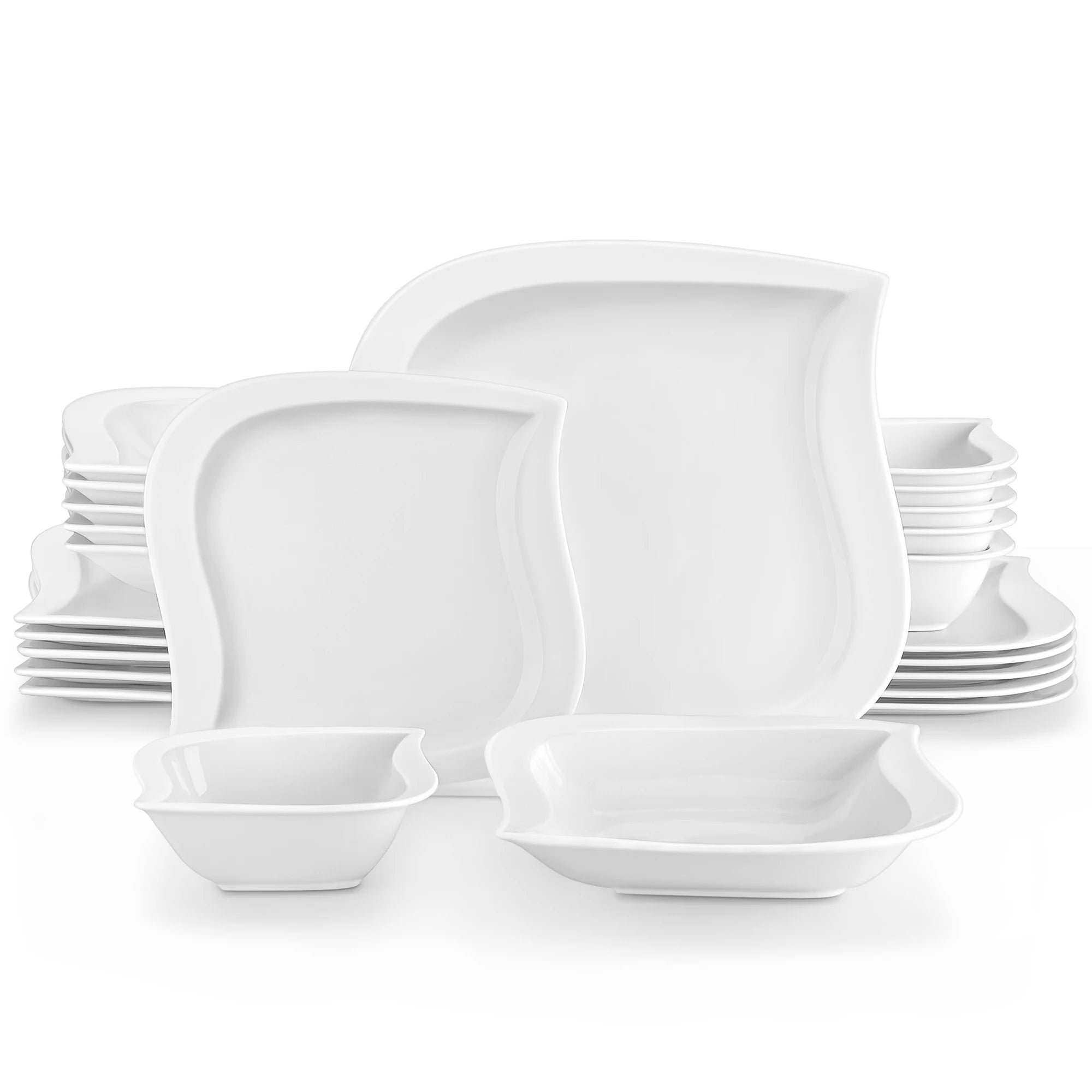
- MALACASA 16/32 Piece Relief Stoneware Set at $157.99 fits a small household well and states dishwasher and microwave safety. Its relief pattern adds texture.
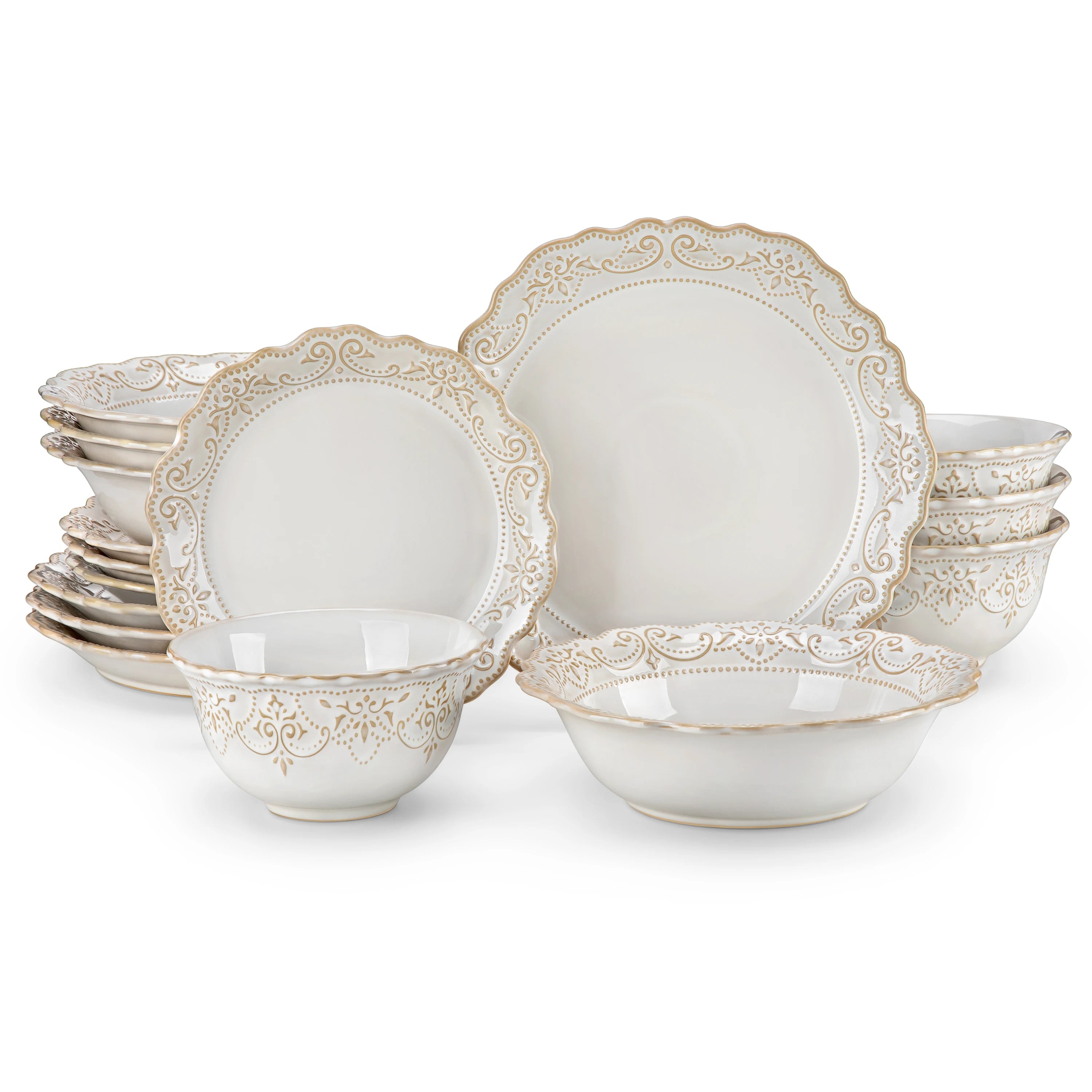
- MALACASA 24/48 Piece Ivory Porcelain Set at $269.99 suits hosts who want full coverage for larger groups. You pay more upfront, but you won't need to buy extra pieces for a crowd.
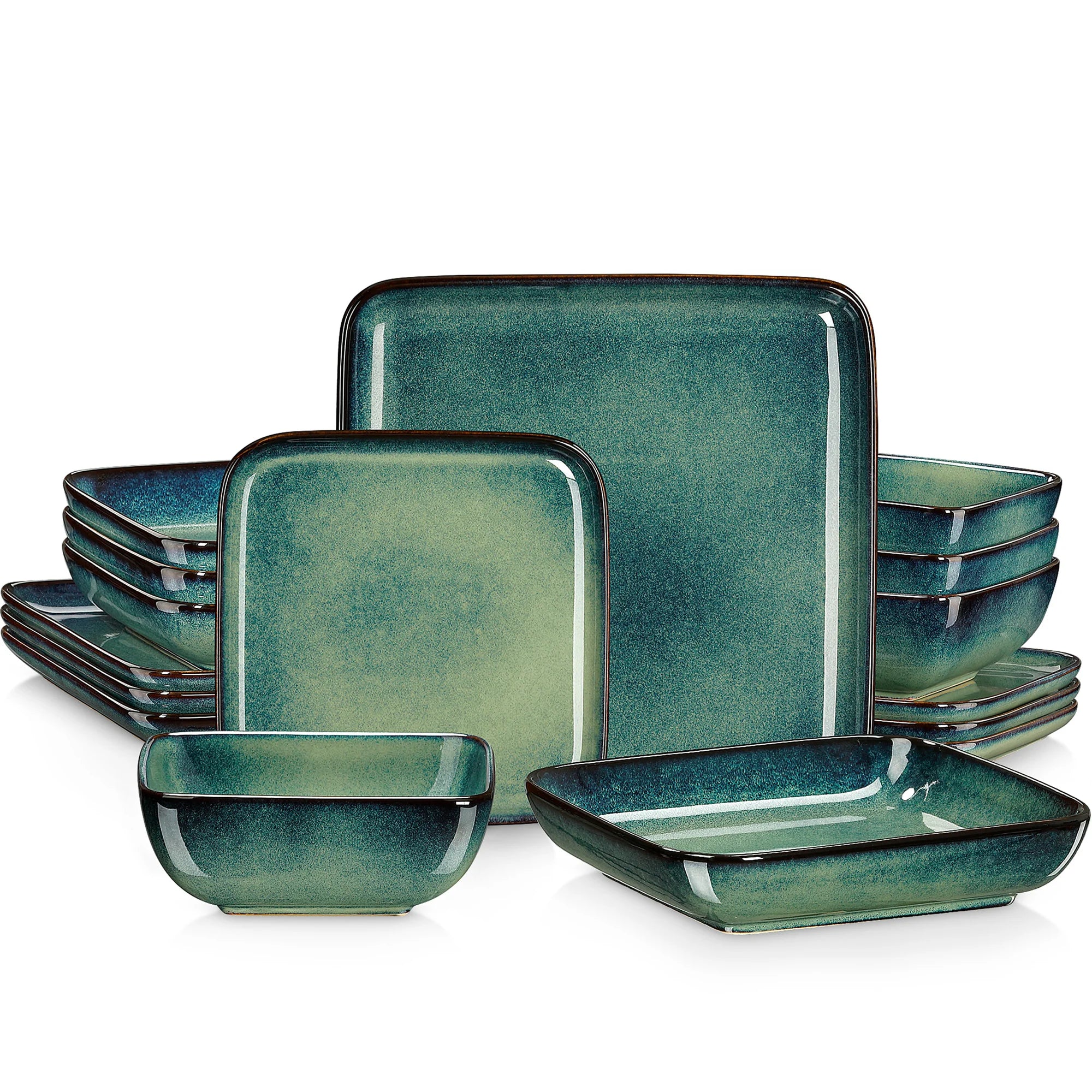
- Vancasso Stern Square Ceramic Set for Four at $138.99 is the lowest-cost entry, but confirm the microwave details before you buy.
For a household of four that hosts occasionally, the 16/32 piece stoneware set offers the strongest balance of price and stated care features. If you regularly feed a larger table, the 24/48 piece porcelain set saves you a second purchase later.
Choosing Your Set and Getting in Touch With Our Team
Once your matrix points to one or two options, go back to the listing and confirm the details that matter most to you. Check the piece count against your table size, confirm care instructions, and compare the final price.
If you're still unsure which set fits your household, our team is happy to help. Contact Us with your household size, how often you host, and what you want the set to handle.
Frequently Asked Questions
How do you compare two different products?
Start by listing the three to five features that matter most for how you will actually use the product, such as size, materials, dishwasher or microwave safety, and how many people it serves. Then check each candidate against that same list instead of comparing whatever features each listing happens to highlight. Put the results in a simple grid so differences are easy to scan. Finally, look at price against those features, not price alone. A cheaper item that misses one of your core requirements is rarely the better buy.
What is a product comparison matrix, and how do you use one?
A product comparison matrix is a grid where each row is a product and each column is a criterion you have chosen, such as material, capacity, care instructions or price per piece. Use it by filling in every cell from the product listing, marking any missing information rather than guessing, and then scanning across rows to see where options differ. Keep the number of criteria small, usually five or fewer, so the grid stays readable and useful for a decision.
How do you verify product specifications and claims?
Compare the figures in the listing against the dimensions and capacities printed in the description, and check that the piece count matches what you expect, for example a 16-piece set should list four of each item. Confirm care claims such as dishwasher or microwave safety in the product details, and note any certifications the listing names. If a claim is vague or absent from the listing, treat it as unverified and do not assume it.
What should a product comparison table include?
A useful comparison table includes the product name, the price, the main dimensions or capacity, the materials, the care and safety details, and the number of pieces or users it suits. Add one row for any feature that is decisive for your situation. Keep units consistent across rows, use inches or centimetres throughout, and leave a cell blank or marked as not listed rather than filling it with an assumption. A table of this kind lets you compare value for money at a glance.
